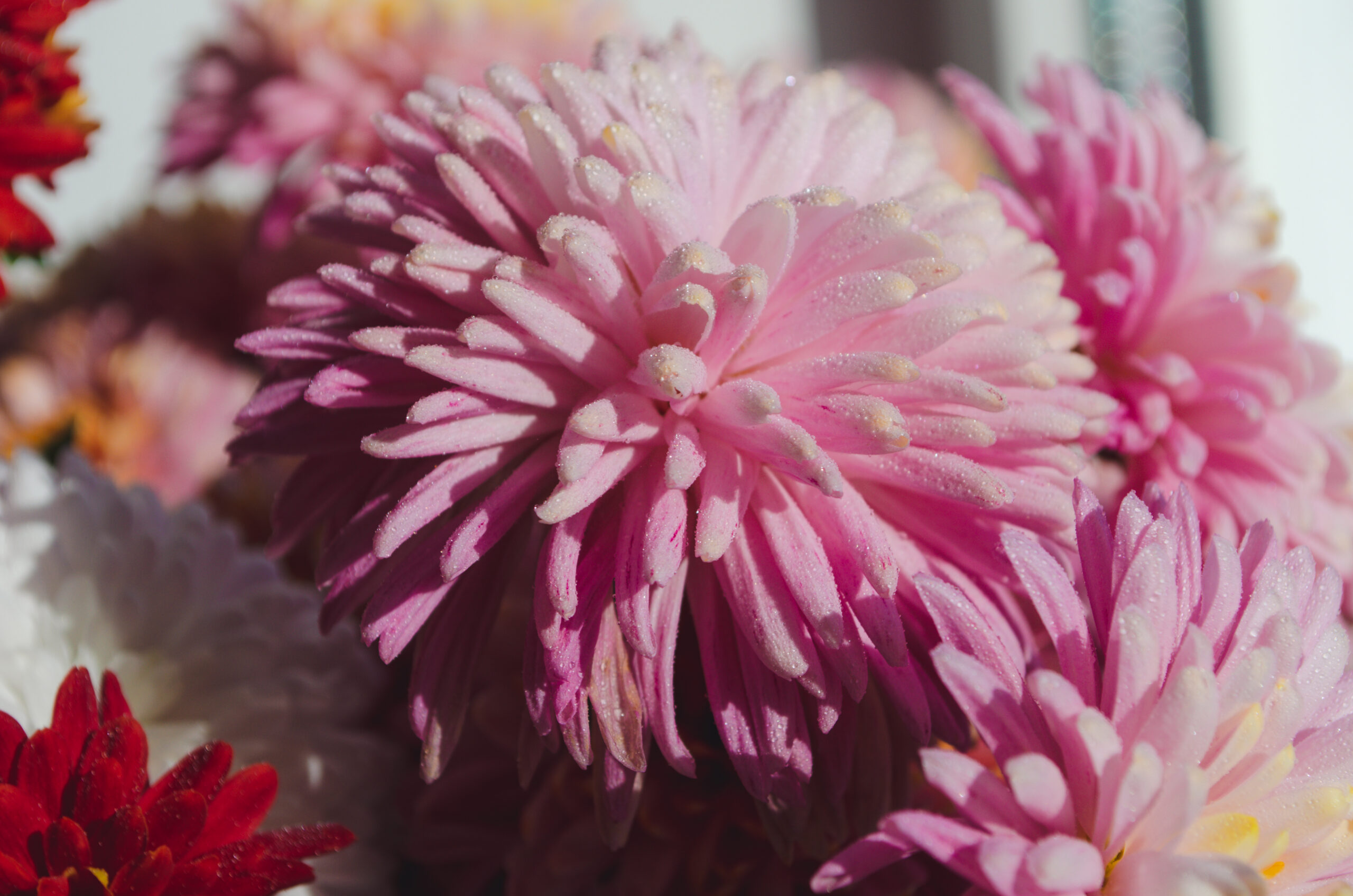
As the days grow longer and the air fills with the sweet scent of new beginnings, there’s no better way to welcome the season than by gathering together for a little friendly competition. Spring trivia is one of our favorite ways to celebrate the season here at Springpoint Living at Manalapan. This quiz is packed with delightful flower facts, surprising nature knowledge, and a few questions that just might stump even the most seasoned gardener.
Whether you’ve spent decades tending a garden or simply love watching the world come back to life each year, spring-themed activities like this one are the perfect way to enjoy some friendly competition while soaking in all that the season has to offer. From the delicate bells of the Lily of the Valley to the cheerful return of songbirds, spring flowers, and seasonal wonders are all around us.
Settle in, share your guesses with a neighbor, and see how many of these questions you can answer.
10 Spring & Nature Trivia Questions
How many of these can you get right? Check your answers at the end!
1. What is the official first day of spring called?
- The Summer Solstice
- The Spring Equinox
- The Vernal Tide
- The April Threshold
2. Lily of the Valley is the traditional birth flower for which month?
- April
- June
- May
- March
3. May apples are wildflowers native to eastern North America. Which part of the May apple plant is edible when ripe?
- The leaves
- The roots
- The fruit
- The stem
4. Which bird is most commonly associated with the arrival of spring in North America?
- The Blue Jay
- The American Robin
- The Cardinal
- The Mockingbird
5. April showers bring May flowers, but what causes spring rain to be so much more frequent in many parts of the country?
- Melting polar ice caps releasing moisture
- Warmer air rising and colliding with cooler air masses
- Increased ocean evaporation in winter months
- Solar flares affecting cloud formation
6. One of the most charming flower facts about Lily of the Valley is its rich cultural history. In which country did it become a traditional gift given on May 1st as a symbol of good luck?
- England
- Germany
- France
- Ireland
7. What is the term for the study of cyclic and seasonal natural phenomena, such as the first bloom of spring flowers or the migration of birds?
- Ecology
- Phenology
- Botany
- Meteorology
8. May apples often grow in woodland patches and are known for their large, umbrella-like leaves. What type of habitat do they typically prefer?
- Open prairies and grasslands
- Sandy coastal dunes
- Shaded forest floors
- Rocky mountain slopes
9. Which spring flower is also known as the “Easter lily” and is often used in celebrations marking new beginnings?
- Daffodil
- Tulip
- White Lily
- Hyacinth
10. On the spring equinox, what is true about day and night?
- Night is twice as long as day
- Day and night are approximately equal in length
- There is no darkness at all
- It varies depending on the year
Bloom Into Spring Together
Whether you surprised yourself with a perfect score or picked up a few new flower facts along the way, we hope this spring trivia quiz brought a little extra sunshine to your day. Spring-themed activities like this one are part of what makes life at Springpoint Living at Manalapan so special because celebrating the seasons together, through laughter, conversation, and a touch of friendly competition, is what community is all about.
Spring is the season of renewal, and there’s no better place to embrace it than surrounded by neighbors and friends who make every day brighter. From therapeutic gardening through our Eldergrow™ partnership to seasonal events and wellness programming, we love finding joyful ways to welcome the beauty of spring flowers and the world waking up around us.
Happy spring from all of us at Springpoint Living at Manalapan! Contact us to learn more about life in our community.
Answer Key:
- B) The Spring Equinox. The vernal equinox marks the astronomical start of spring, typically falling around March 19th through 21st of each year. On this day, the sun crosses the celestial equator heading northward.
- C) May. Lily of the Valley is the beloved birth flower for May. Its dainty white bell-shaped blooms have made it a favorite in spring gardens and bridal bouquets for centuries.
- C) The fruit. While most parts of the May apple plant are toxic, the ripe yellow fruit is edible and was historically used by Native Americans for food and medicine. The unripe fruit, leaves, and roots should never be consumed.
- B) The American Robin. The American robin is one of the most recognizable signs of spring across North America. Their cheerful song and rust-red breast are a welcome sight after a long winter.
- B) Warmer air rising and colliding with cooler air masses. Spring weather patterns are shaped by the clash of warming temperatures and lingering cold fronts, creating the atmospheric conditions that produce those classic spring showers.
- C) France. In France, May 1st—known as La Fête du Muguet—is a beloved tradition in which Lily of the Valley is given as a token of happiness and good fortune. The holiday dates back to the 16th century.
- B) Phenology. Phenology is the scientific study of seasonal and cyclic natural events, including the blooming of spring flowers, bird migrations, and the timing of insect emergence—all signs that the natural world is waking up again.
- C) Shaded forest floors. May apples thrive in the dappled light of deciduous forests. They often carpet the ground in large colonies, creating a lush green carpet before the trees fully leaf out overhead.
- C) White Lily. The white lily has long been associated with Easter and the theme of rebirth and new life. Its elegant blooms appear in churches and homes each spring as a symbol of renewal and hope.
- B) Day and night are approximately equal in length. The word “equinox” comes from the Latin for “equal night.” On the spring equinox, most places on Earth experience roughly 12 hours of daylight and 12 hours of darkness.
Share this post with a family member or loved one and see who gets the highest score!